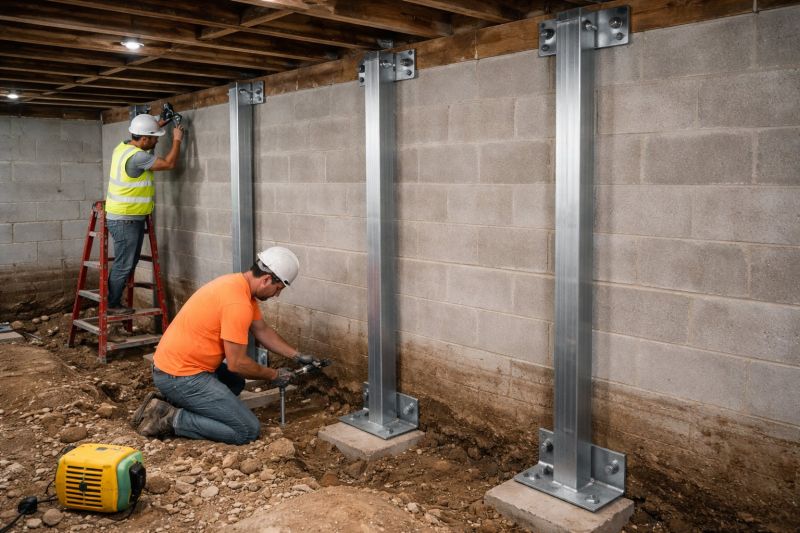
Basement Stabilization in Tampa, FL
Basement stabilization services involve reinforcing and supporting the foundation and walls of a basement to prevent or correct shifting, settling, or sinking. These projects typically address issues such as cracked or bowing walls, uneven floors, or visible signs of foundation movement. Property owners often seek this service to protect their home’s structural integrity, prevent further damage, and create a safer, more stable basement environment for storage, living space, or other uses.
Before requesting basement stabilization, homeowners usually want to understand the causes of foundation movement, the types of stabilization methods available, and the potential impact on their property. It’s important to consider the extent of any existing damage, the history of soil conditions in the area, and whether additional repairs might be necessary. Clear communication about the scope of work and expected outcomes can help property owners make informed decisions about stabilizing their basement.
Many property owners in Tampa, FL look into Basement Stabilization for repairs, replacements, upgrades, and appearance-related improvements.
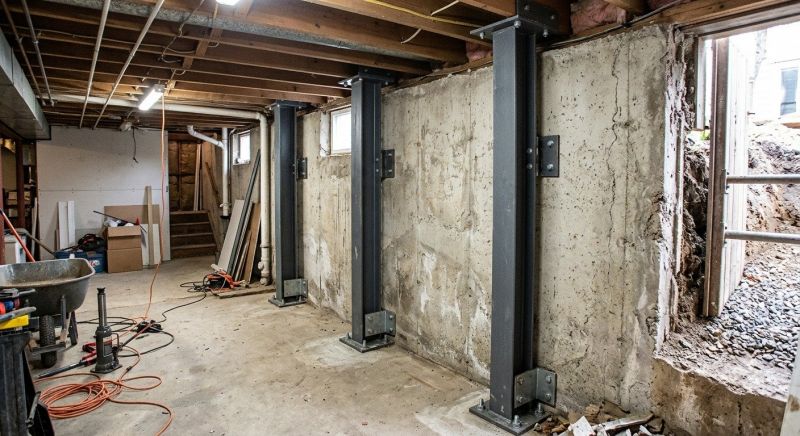
Foundation Support Solutions
Basement stabilization can prevent further settling and structural issues in tampa homes.
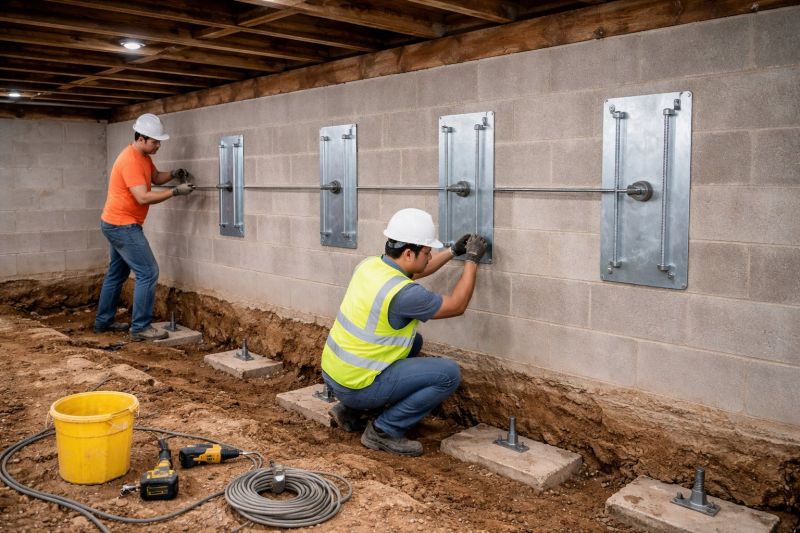
Signs Of Basement Instability
Cracks, uneven floors, and sticking doors may indicate the need for stabilization services.
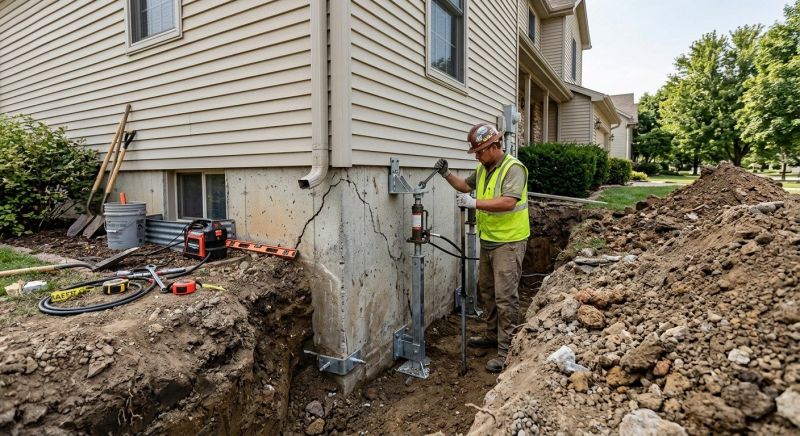
Methods For Stabilizing Basements
Techniques such as underpinning and piering help reinforce and stabilize basement foundations effectively.
Basement Stabilization in Tampa, FL
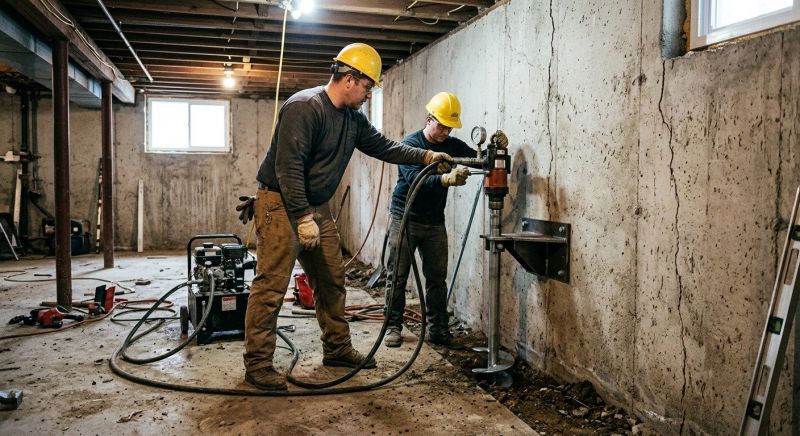
Basement stabilization services involve reinforcing and supporting the foundation and walls of a basement to prevent or correct shifting, settling, or sinking. These projects typically address issues such as cracked or bowing walls, uneven floors, or visible signs of foundation movement. Property owners often seek this service to protect their home’s structural integrity, prevent further damage, and create a safer, more stable basement environment for storage, living space, or other uses.
Before requesting basement stabilization, homeowners usually want to understand the causes of foundation movement, the types of stabilization methods available, and the potential impact on their property. It’s important to consider the extent of any existing damage, the history of soil conditions in the area, and whether additional repairs might be necessary. Clear communication about the scope of work and expected outcomes can help property owners make informed decisions about stabilizing their basement.
Many property owners in Tampa, FL look into Basement Stabilization for repairs, replacements, upgrades, and appearance-related improvements.
Common Basement Stabilization Jobs
Basement Stabilization - techniques to prevent foundation settlement and shifting.
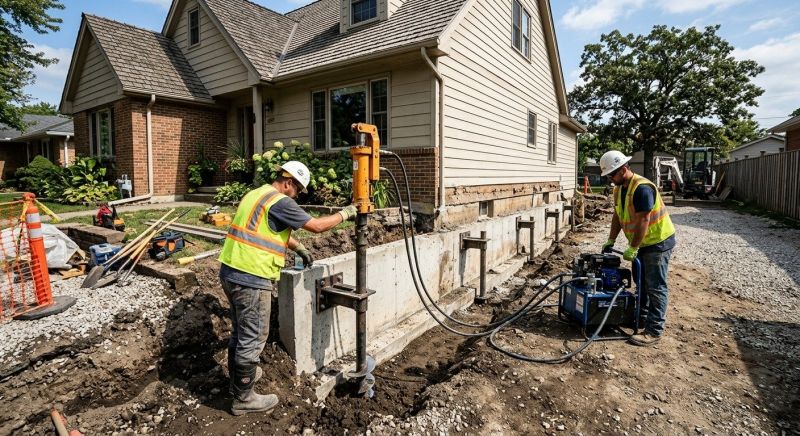
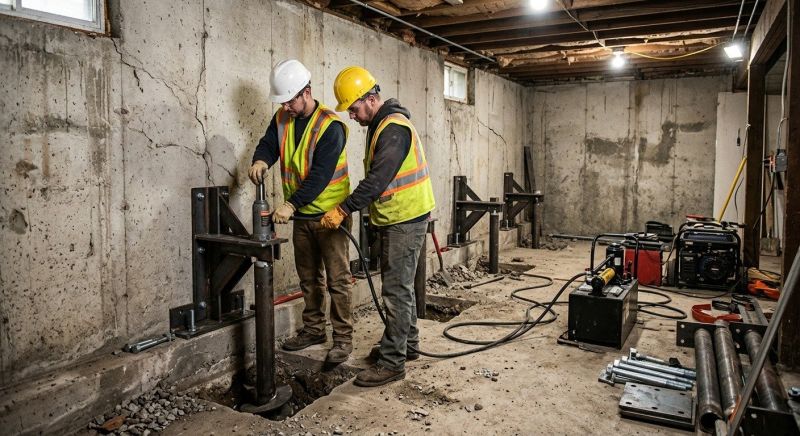
Interior Piering - installing supports to lift and stabilize uneven basement floors.
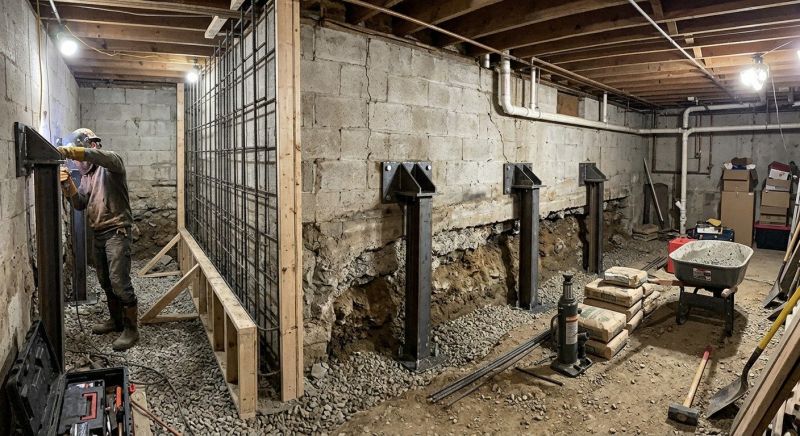
Wall Reinforcement - methods to prevent basement wall bowing or cracking.
Soil Stabilization - improving soil conditions to reduce future shifting risks.
Drainage Solutions - addressing water issues that can undermine basement stability.
Foundation Underpinning - strengthening the basement foundation to ensure long-term safety.
Basement Stabilization Questions
What causes basement instability? Soil shifting, poor drainage, or foundation issues can lead to basement instability and uneven floors.
How can basement stabilization improve safety? Stabilization prevents further movement and reduces the risk of structural damage or collapse.
What types of stabilization methods are used? Techniques include underpinning, wall anchors, and soil nails to reinforce and stabilize the foundation.
Is basement stabilization suitable for all foundation types? Most foundation types can benefit from stabilization, but an assessment determines the best approach for each property.
Request Basement Stabilization in Tampa, FL
Use the quote form on this page to share the basics of your project and request more information for the type of work you need.