Get Window Well Installation
Local contractors can install window wells to prevent water intrusion, improve basement light, and provide safe access during repairs or emergencies.
If you’re considering window well installation, you’re in the right place to explore your options. Property owners often look into this work to improve safety, enhance natural light, or prepare for basement renovations. Understanding the benefits and planning the project carefully can help ensure the results meet your needs. This page provides guidance on connecting with local contractors who specialize in window well installation, making it easier to compare services and find the right fit for your property.
Exploring local service providers can help you find experienced professionals capable of handling various aspects of window well installation. Whether addressing drainage concerns, upgrading existing structures, or adding new window wells, property owners can benefit from reviewing local options to identify reliable contractors. Keep reading to learn more about how to find qualified service providers in your area and what to consider when planning your project.
- Window Well Installation - needed when installing or replacing window wells to improve basement safety and drainage.
- Egress Window Well Setup - required for basement bedrooms or living spaces to meet safety egress requirements.
- Custom Window Well Design - suitable for homes with unique landscape features or architectural styles.
- Drainage Solution Installation - essential when existing window wells cause water accumulation or leaks.
- Window Well Cover Fitting - used to protect basement windows from debris, snow, and pests.
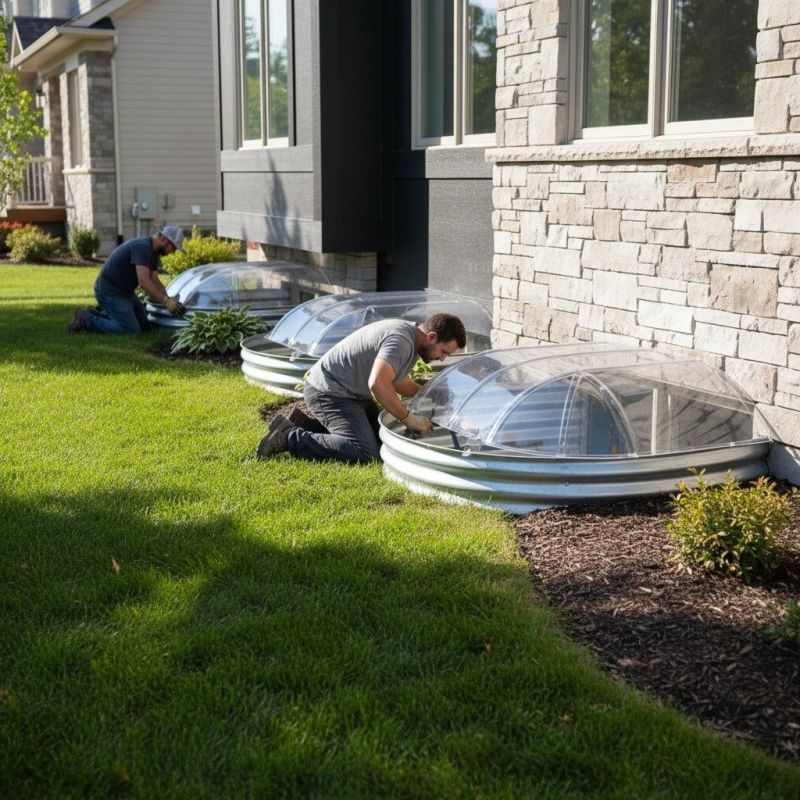

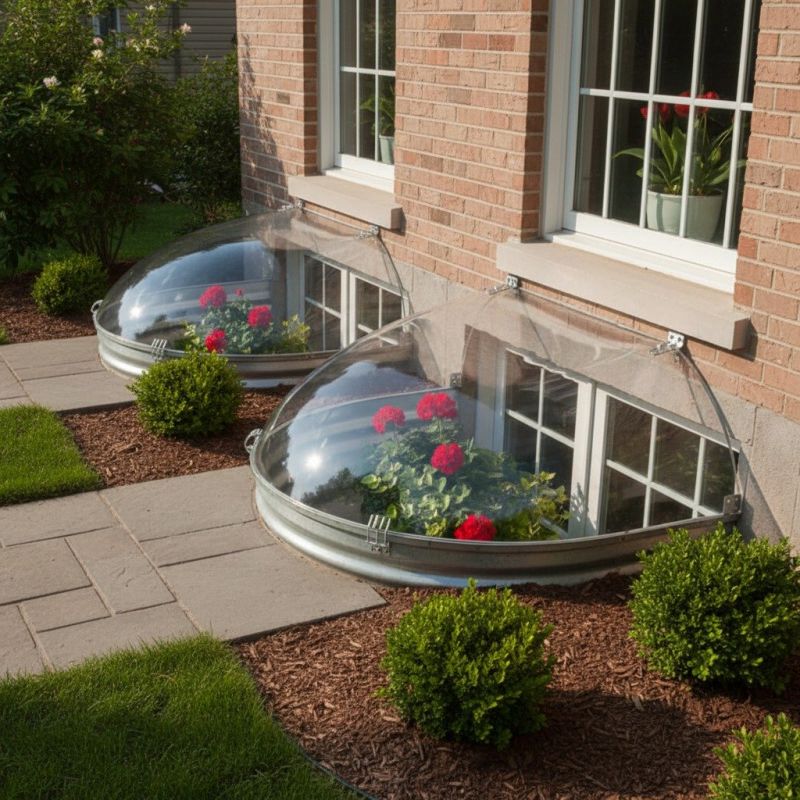
Window well installation services involve placing protective and decorative enclosures around basement windows that are below ground level. These structures are typically made from durable materials such as metal, plastic, or stone, and are designed to fit securely around the window opening. The installation process includes excavating the area around the window, installing the well structure, and ensuring proper drainage to prevent water from pooling. Properly installed window wells help to keep basements dry and secure, providing both functional protection and aesthetic appeal to the property.
One of the primary problems that window well installation addresses is water infiltration. When basement windows are below ground, they are vulnerable to rain, snowmelt, and groundwater seeping inside, which can lead to flooding, mold growth, and damage to interior finishes. Installing a window well creates a barrier that directs water away from the window opening and helps to prevent leaks. Additionally, window wells can prevent debris, leaves, and dirt from accumulating against basement windows, reducing the risk of blockages and water backup during storms.
Window well installation is commonly needed on properties with below-grade basement windows, particularly in homes built into hillsides or on sloped lots. This service is often sought by homeowners looking to improve basement safety, prevent water damage, or enhance curb appeal. Properties that experience frequent heavy rain or have poorly draining soil are especially likely to benefit from properly installed window wells. Commercial buildings with underground windows or basement access points may also require this service to maintain structural integrity and protect interior spaces.
Local contractors offering window well installation services are equipped to assess the specific needs of each property and recommend suitable solutions. They can help determine the right size, material, and drainage options for the well, ensuring it functions effectively over time. Whether for new construction, renovation projects, or repair work, these service providers can handle the installation process efficiently. Contacting experienced local pros can help homeowners find the right window well solutions to protect and enhance their basement spaces.
The overview below groups typical Window Well Installation projects into broad ranges so you can see how smaller, mid-sized, and larger jobs often compare in your area.
In many markets, a large share of routine jobs stays in the lower and middle ranges, while only a smaller percentage of projects moves into the highest bands when the work is more complex or site conditions are harder than average.
Smaller Repairs - minor repairs or sealing of existing window wells typically cost between $250 and $600. Many routine jobs fall within this range, depending on the scope of work and materials needed. Fewer projects reach the higher end of this band.
Partial Installation - installing new window wells or replacing damaged ones generally ranges from $600 to $1,500. This is a common price range for standard-sized wells on residential properties, with larger or more complex projects costing more.
Full Replacement - complete removal and replacement of window wells can cost between $1,500 and $3,500. Many local contractors handle projects in this range, though larger or custom installations can exceed this amount.
Custom or Large-Scale Projects - extensive or customized window well installations, including multiple wells or specialized materials, can reach $5,000 or more. Such projects are less common and typically involve complex features or design considerations.
Actual totals will depend on details like access to the work area, the scope of the project, and the materials selected, so use these as general starting points rather than exact figures.
Basement Window Installation - This project involves installing windows in below-ground spaces, requiring similar planning, precise measurements, and excavation skills as window well installation.
Egress Window Replacement - Replacing or installing emergency escape windows involves understanding window openings, proper sealing, and safety considerations akin to window well setup.
Foundation Drainage Systems - Installing drainage solutions around foundations shares skills in excavation, waterproofing, and ensuring proper water flow, similar to preparing window well areas.
Sump Pump Installation - Setting up sump pumps requires excavation and plumbing knowledge, paralleling the site prep and installation processes used in window well projects.
Retaining Wall Construction - Building retaining walls involves excavation, structural planning, and material handling, skills that complement those needed for window well installation.
Exterior Drainage Solutions - Installing systems to redirect surface or groundwater involves planning, excavation, and waterproofing techniques comparable to window well work.
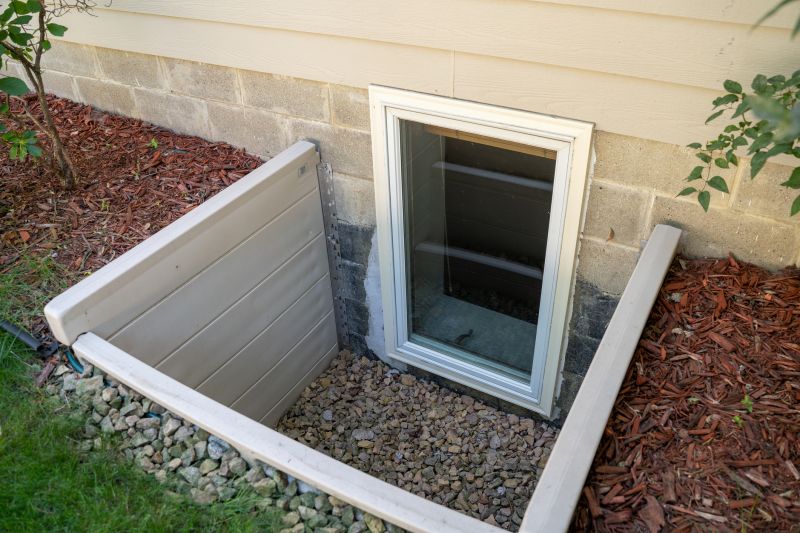
When comparing service providers for window well installation, it’s important to consider their experience with similar projects. Homeowners should look for local contractors who have a proven track record of handling window well installations comparable to their specific needs. An experienced pro will understand the nuances of different types of window wells, materials, and installation techniques, which can contribute to a more successful outcome. Asking about past work or seeking examples of completed projects can help gauge a contractor’s familiarity with the task at hand.
Clear written expectations are essential to ensure that both the homeowner and the service provider are aligned on the scope of work. When evaluating local contractors, it’s beneficial to review detailed project descriptions, estimates, or proposals that outline what will be done, including materials, installation methods, and any additional services. This clarity helps prevent misunderstandings and provides a solid foundation for the project. Homeowners should also feel comfortable discussing any questions or concerns before work begins to ensure everyone is on the same page.
Reputable references and good communication are key indicators of a reliable service provider. Homeowners can ask local contractors for references from previous clients who had similar window well projects completed. Speaking with past customers can reveal insights about the contractor’s professionalism, timeliness, and quality of work. Additionally, good communication throughout the process-such as prompt responses to questions and transparency-can make the installation experience smoother. It’s important to remember that this site’s role is to introduce homeowners to local options, not to perform the work itself, so taking the time to compare and connect with reputable service providers is a valuable step in the selection process.
Property owners use Window Well Installation services for practical projects around their homes and businesses. This guide focuses on everyday jobs and straightforward project options.
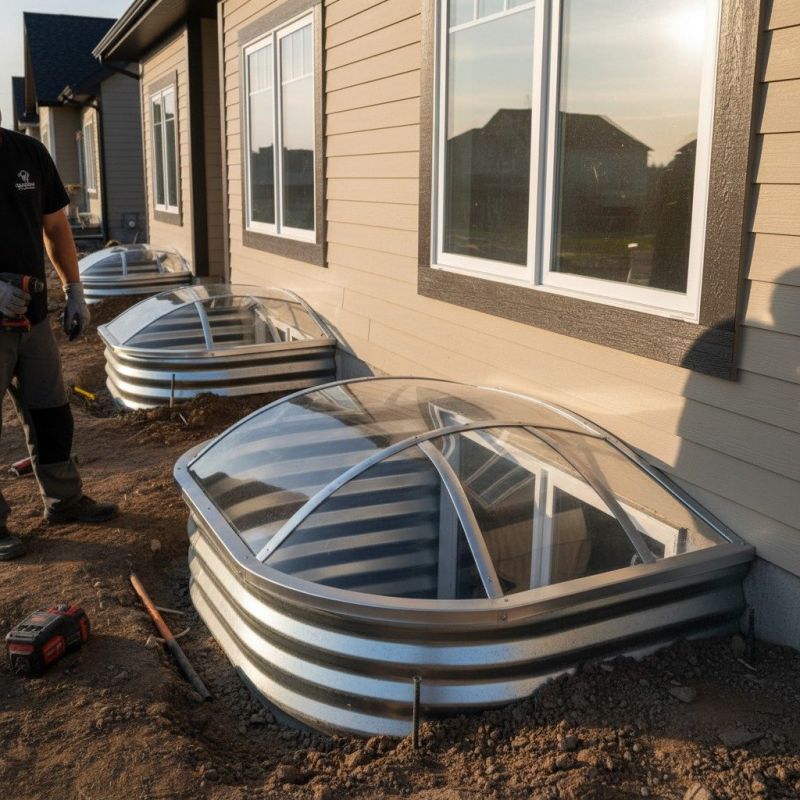
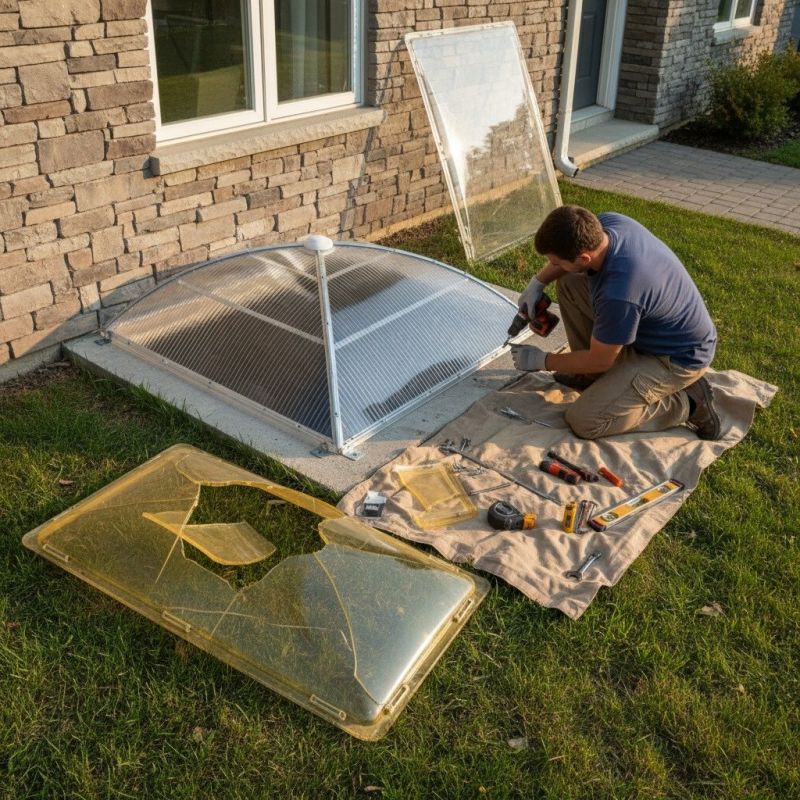
Window well installation services are often needed when property owners want to improve basement safety and accessibility. Whether installing new window wells to prevent water intrusion, adding egress windows for safety compliance, or replacing aging or damaged wells, local contractors can handle these projects efficiently. Homeowners might also seek installation when upgrading the exterior of their basement windows to ensure proper drainage, or when preparing a property for future finishing or remodeling work.
Many property owners look for window well installation to address issues caused by poor drainage or water pooling around basement windows. Installing or upgrading window wells can help prevent leaks, reduce the risk of flooding, and improve overall basement protection. Local service providers are equipped to assess the specific needs of each property and deliver solutions that enhance both safety and functionality for homeowners in the area.
What is the purpose of a window well? Window wells provide a protective barrier around basement windows, helping to prevent water infiltration and allowing natural light to enter the space.
What materials are commonly used for window well installation? Common materials include galvanized steel, plastic, and concrete, each offering different durability and aesthetic options.
Can window wells be customized to fit different window sizes? Yes, many service providers offer custom-sized window wells to ensure a proper fit for various window dimensions.
Are window wells necessary for all basement windows? Not all basement windows require window wells, but they are recommended for below-ground windows to improve safety and drainage.
How do local contractors ensure proper drainage around window wells? They typically include drainage solutions like gravel or drainage pipes to prevent water buildup and protect the foundation.
Prevent water damage in basements - Installing a window well can help keep water out of basement windows during heavy rain or snowmelt.
Improve natural light in underground spaces - A properly installed window well allows more sunlight to enter below-ground rooms, making them more livable.
Enhance safety around basement windows - Service providers can install window wells that provide a secure and accessible exit in case of emergencies.
Increase curb appeal of the property - Well-designed window wells can add a finished look to basement windows, boosting overall property appearance.
If you are thinking about Window Well Installation for a property, this guide is meant to help you understand the work, the typical project types, and how different options might fit your plans.
When you are ready, you can use the quote form on this page to share a few details about your project. From there, local pros can review the basics and respond with options that match what you have in mind.